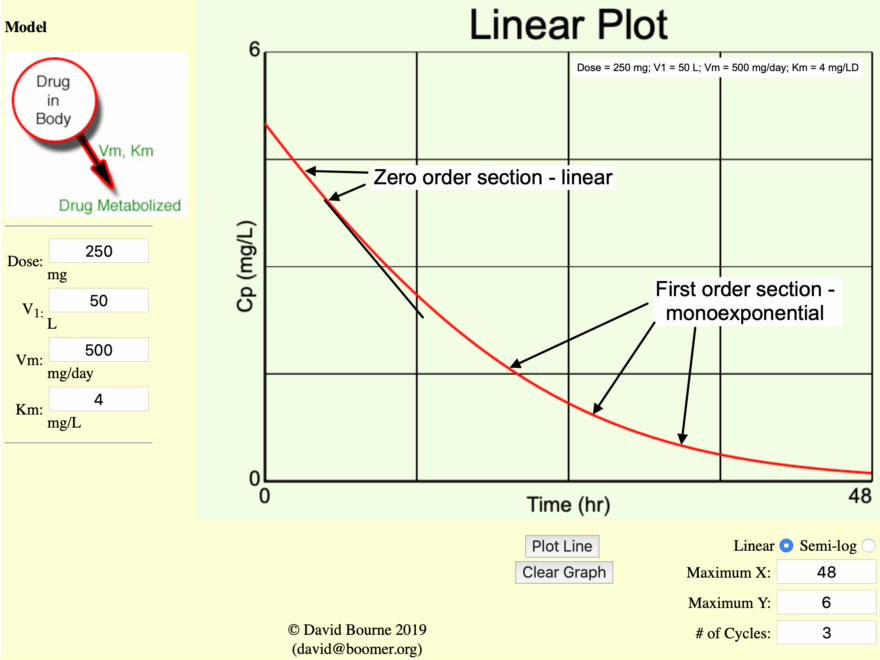
Graphing on semi-log paper can be a bit tricky at first, but once you get the hang of it, it can be a powerful tool for visualizing data. In this article, we’ll explore the concept of a zero-order graph on semi-log paper.
When you plot data on semi-log paper, one axis is linear, and the other is logarithmic. This allows you to represent a wide range of values on a single graph, making it easier to spot trends and patterns in your data.
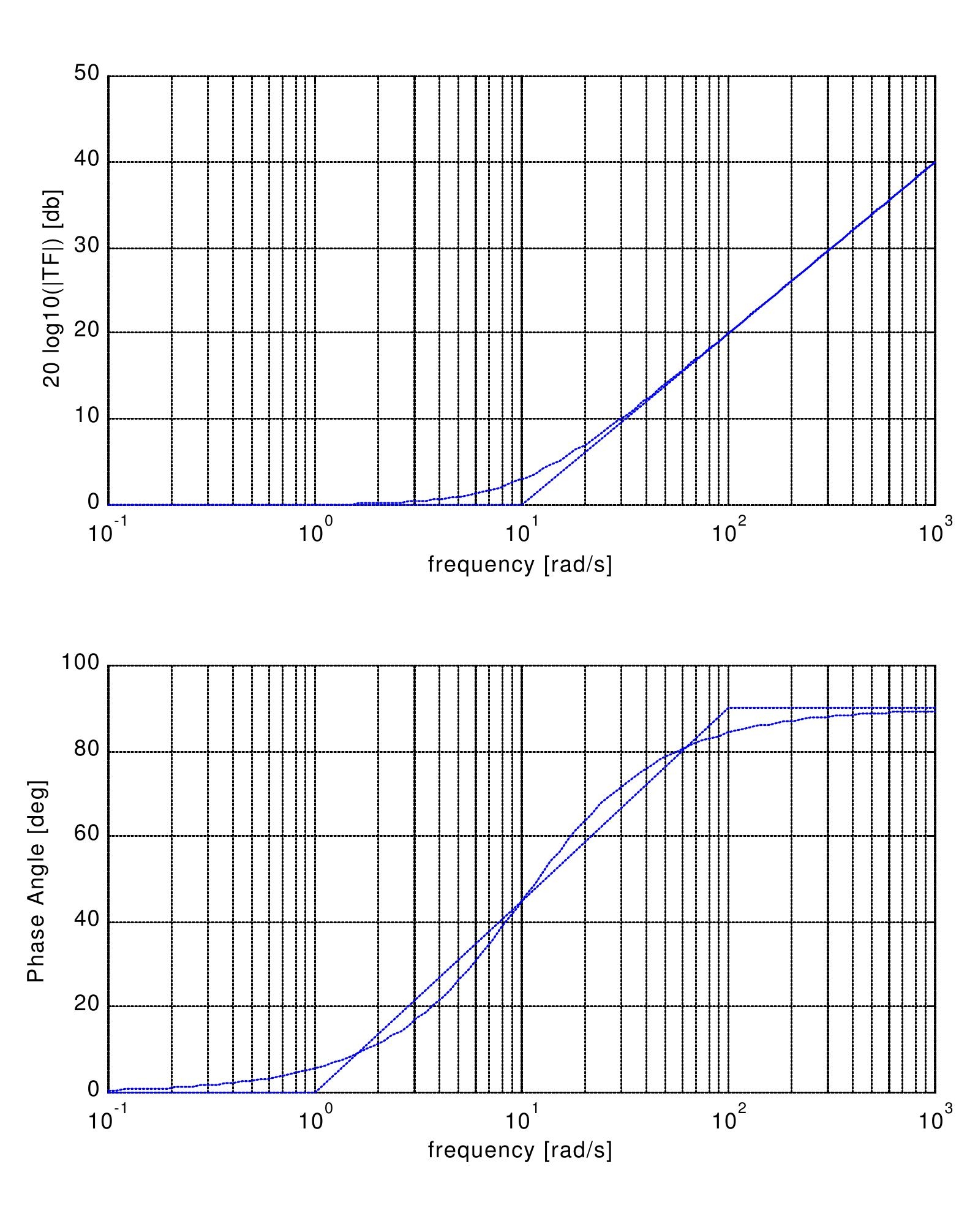
Zero-Order Graph On Semi Log Paper
Zero-Order Graph On Semi Log Paper
A zero-order graph on semi-log paper is a plot where one of the variables is constant. This results in a straight line on the semi-log graph, making it easy to determine the relationship between the variables.
For example, if you have a dataset where one variable remains constant while the other varies, plotting this data on semi-log paper will result in a zero-order graph. This can be useful for analyzing exponential growth or decay processes.
By using a zero-order graph on semi-log paper, you can quickly identify the rate of change in your data and make predictions about future trends. It’s a handy tool for scientists, engineers, and anyone working with data that spans multiple orders of magnitude.
So, next time you’re dealing with data that covers a wide range of values, consider using a zero-order graph on semi-log paper to visualize your results. It may take some practice, but once you master this technique, you’ll be able to uncover valuable insights hidden within your data.
In conclusion, zero-order graphs on semi-log paper are a powerful tool for representing data with a wide range of values. By understanding how to plot and interpret these graphs, you can gain valuable insights into the relationships between variables and make informed decisions based on your data.
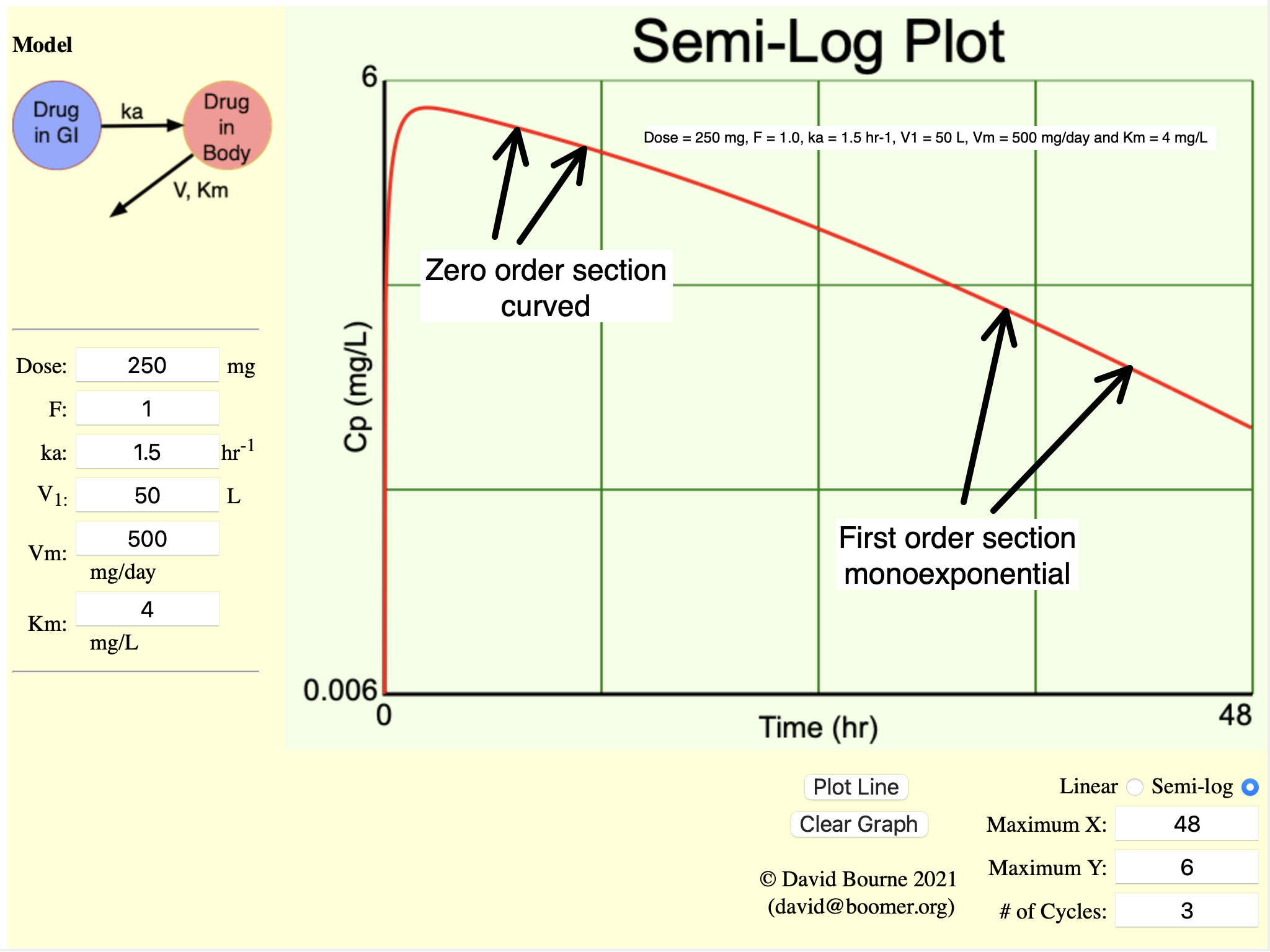
Chapter 21 Page 3
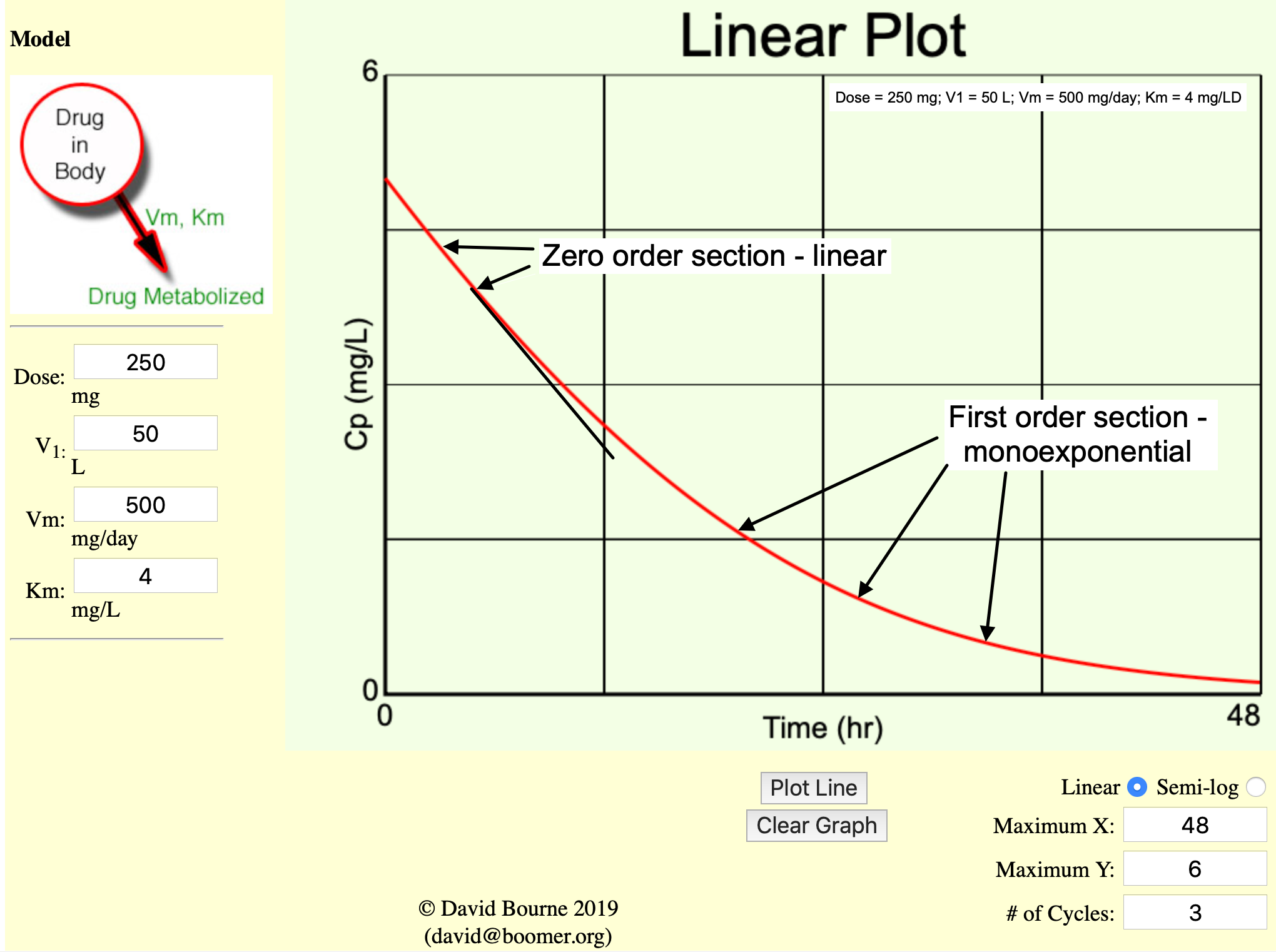
Chapter 21 Page 3