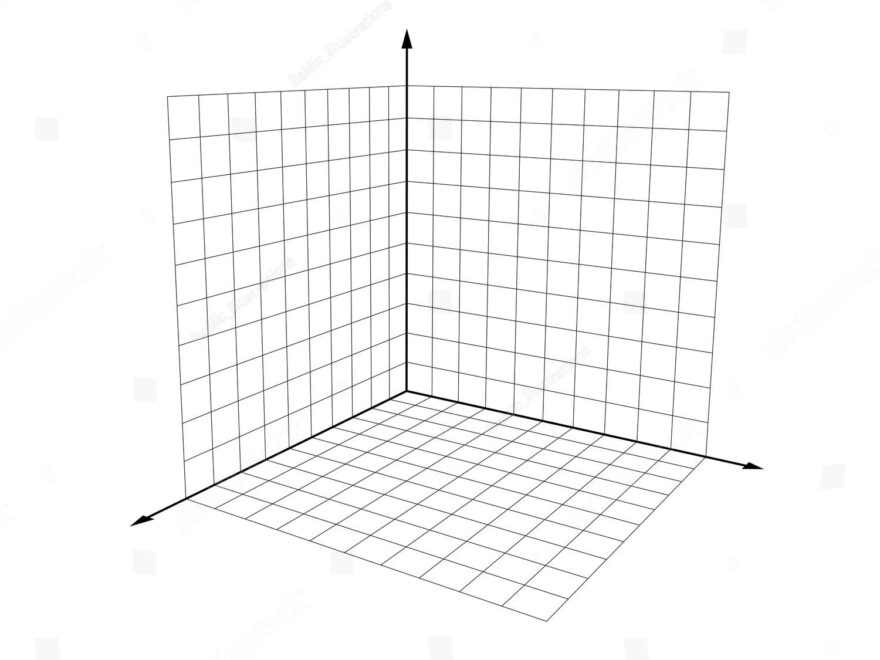
Do you ever wonder how optical axis alignment works in cameras and telescopes? The optical axis is crucial for capturing crisp and clear images. It’s like the backbone of the optical system, ensuring everything is in focus and aligned perfectly.
One interesting way to visualize the optical axis is by using graph paper as a background. This technique helps you see how light rays travel through the system and how they converge or diverge at different points. It’s a simple yet effective way to understand complex optical concepts.
Optical Axis With Graph Paper Background
Optical Axis With Graph Paper Background
When you place a lens on graph paper, you can observe how light rays pass through the lens and intersect at specific points. By drawing lines to represent the optical axis and the path of light rays, you can see how the lens focuses or disperses light to create an image.
Using graph paper allows you to measure angles accurately and visualize the relationship between the optical axis and the image formation process. You can see how changing the position of the lens affects the focal length and the size of the image produced. It’s a hands-on way to learn about optics.
Experimenting with different lenses and objects on graph paper can help you understand how optical systems work in real life. You can see firsthand how light behaves when passing through different mediums and how lenses bend light to create magnified or reduced images. It’s a fun and educational way to explore optics.
In conclusion, using graph paper as a background to study the optical axis is a great way to gain insights into how light travels through lenses and optical systems. It’s a hands-on approach that allows you to see the principles of optics in action. So grab some graph paper and start experimenting with your own optical setups!
Graph Paper Hi res Stock Photography And Images Alamy
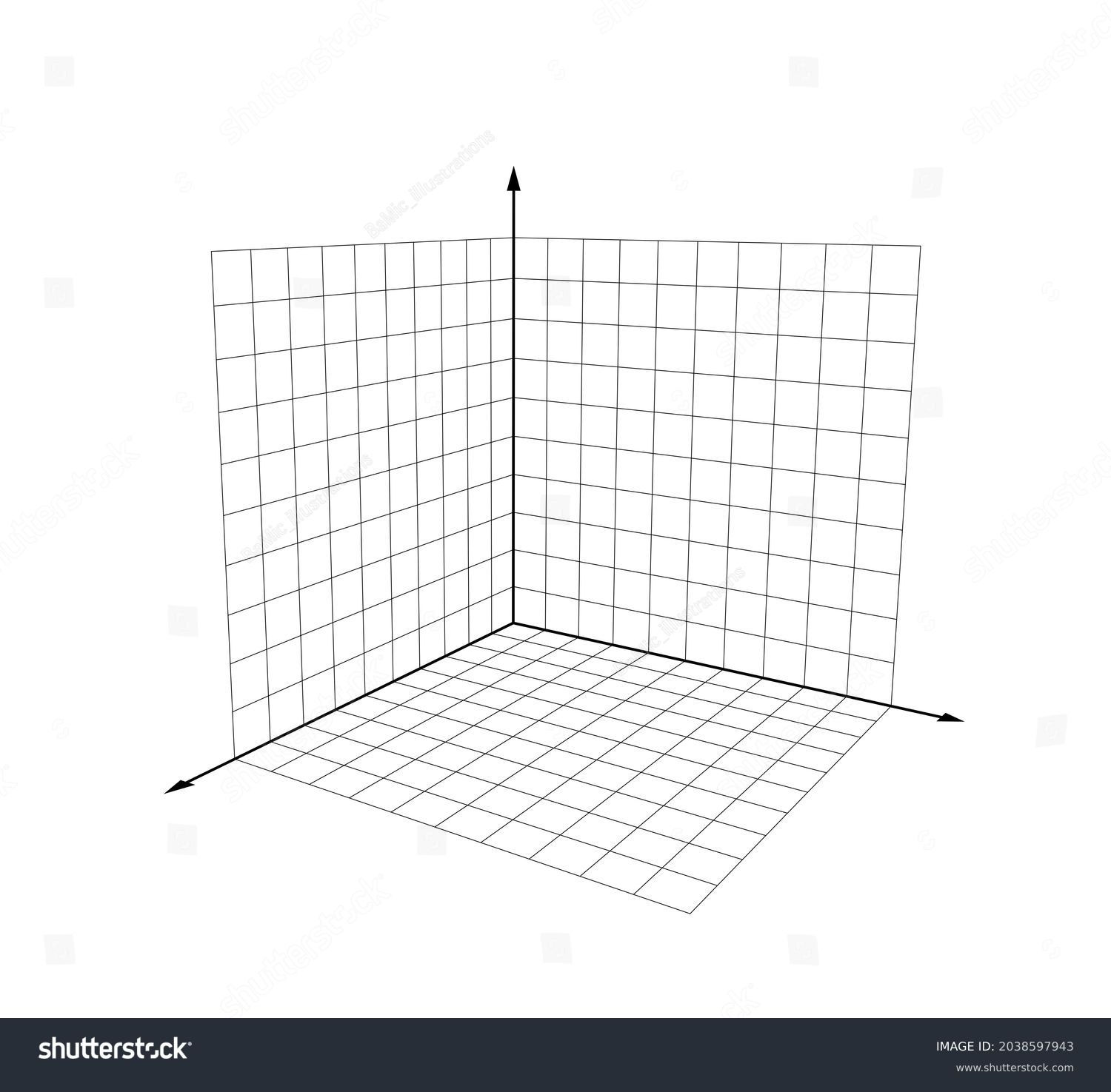
2 Hundred X Y Z Axis Royalty Free Images Stock Photos Pictures Shutterstock