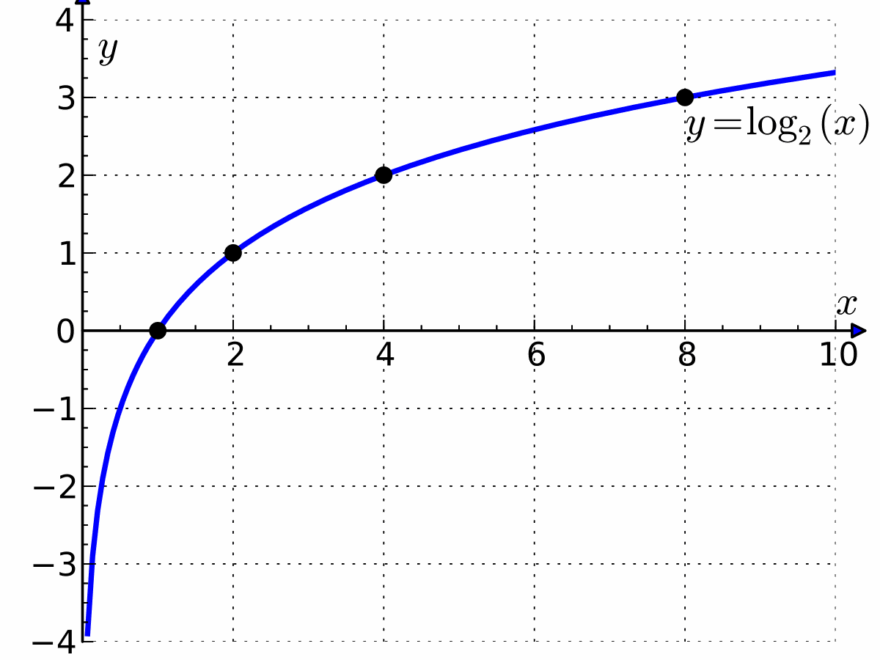
Have you ever wondered how to graph a logarithmic function with a base of 2? Well, you’re in luck because we’re going to break it down for you in this article. Understanding how to plot a log base 2 graph is essential for solving various mathematical problems.
Logarithmic functions are the inverse of exponential functions, and they are widely used in fields like science, engineering, and finance. When dealing with a log base 2 graph, the key is to understand how the logarithmic function behaves and how to interpret the graph accurately.
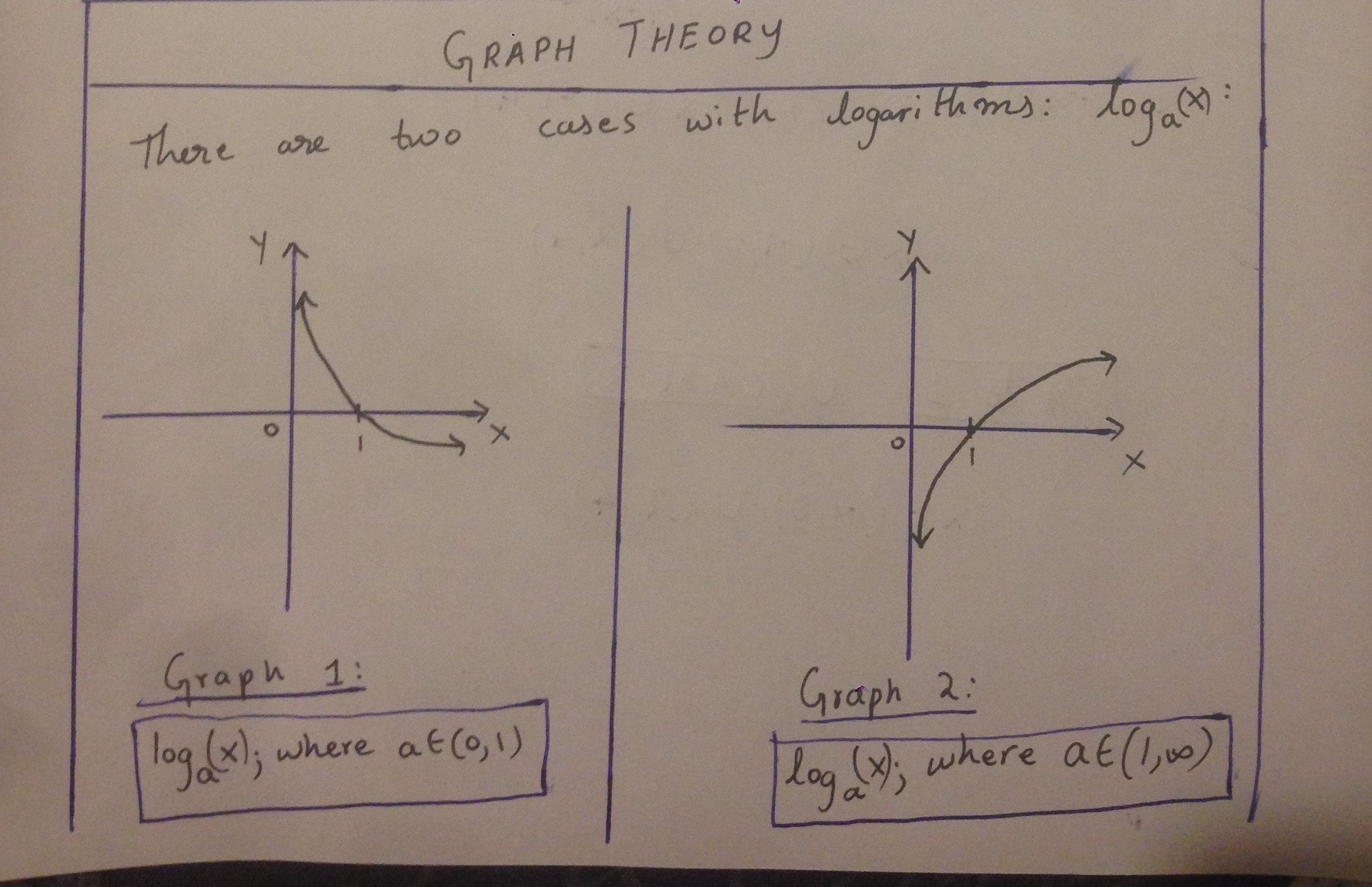
Log Base 2 Graph
Log Base 2 Graph
To graph a log base 2 function, start by plotting key points such as (1,0) and (2,1) on the graph. Remember that the log base 2 function will increase at a slower rate compared to linear and exponential functions. As x increases, the y-values will also increase, but at a decreasing rate.
One important property of log base 2 functions is that they will never cross the x-axis. This is because the log of any positive number will always be greater than zero. Understanding this property will help you accurately sketch the log base 2 graph and interpret the behavior of the function.
As you continue to plot more points on the graph, you will notice that the curve of the log base 2 function approaches but never touches the x-axis. This unique behavior is a defining characteristic of logarithmic functions, and it’s essential to keep this in mind when graphing log base 2 functions.
In conclusion, graphing a log base 2 function is a fundamental skill that can help you analyze data, solve equations, and understand various mathematical concepts. By mastering the basics of log base 2 graphs, you’ll be better equipped to tackle more complex problems in the future.
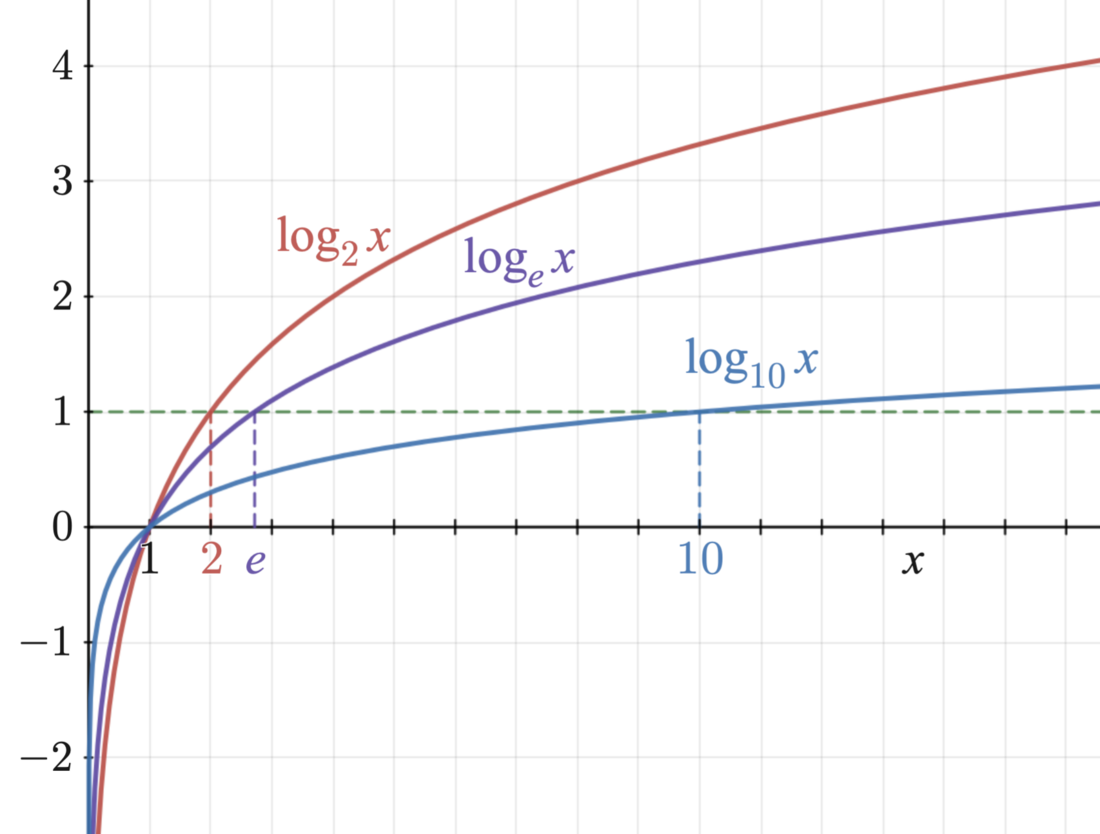
Logarithm Wikiwand
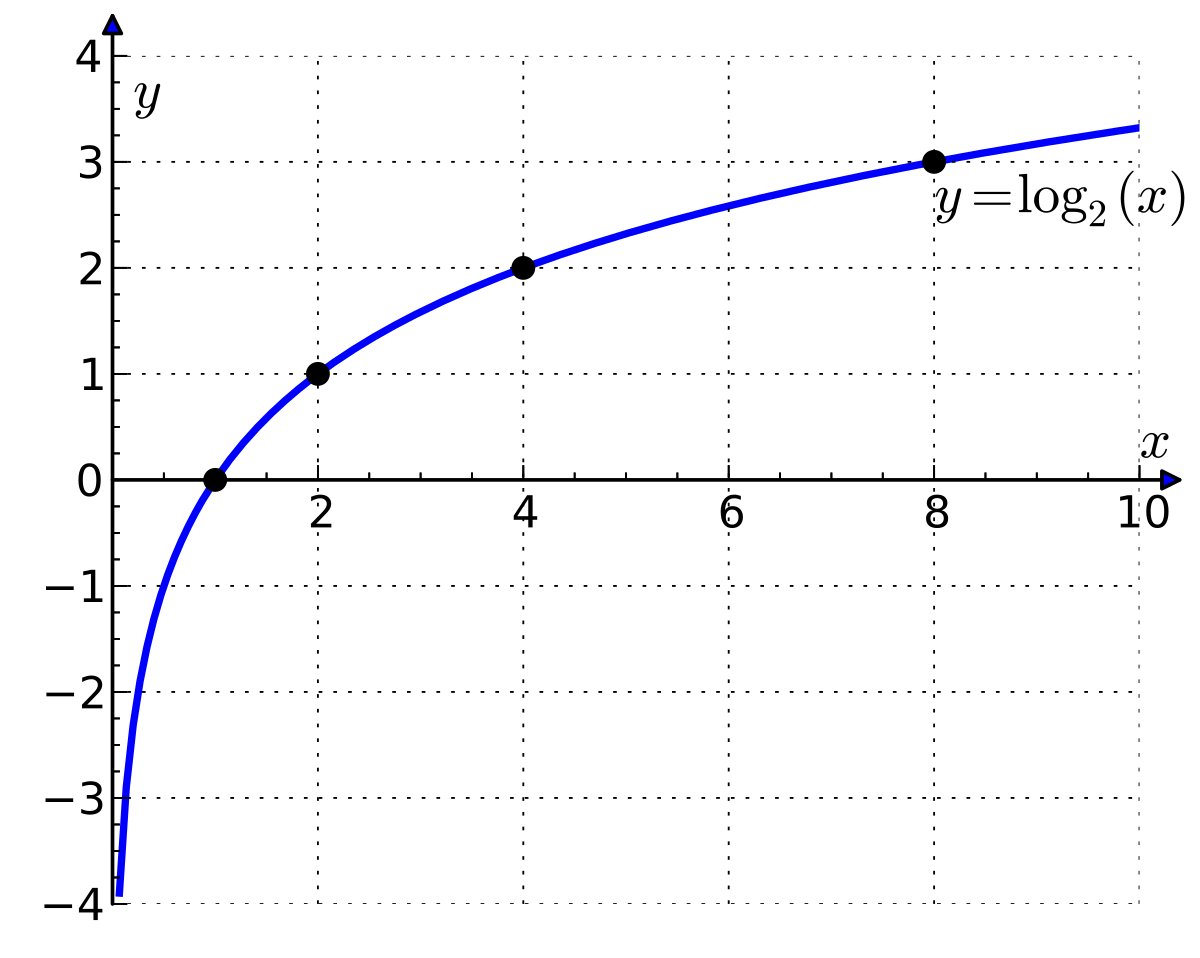
Binary Logarithm Wikipedia